The difference between the boiler and the spa boiler
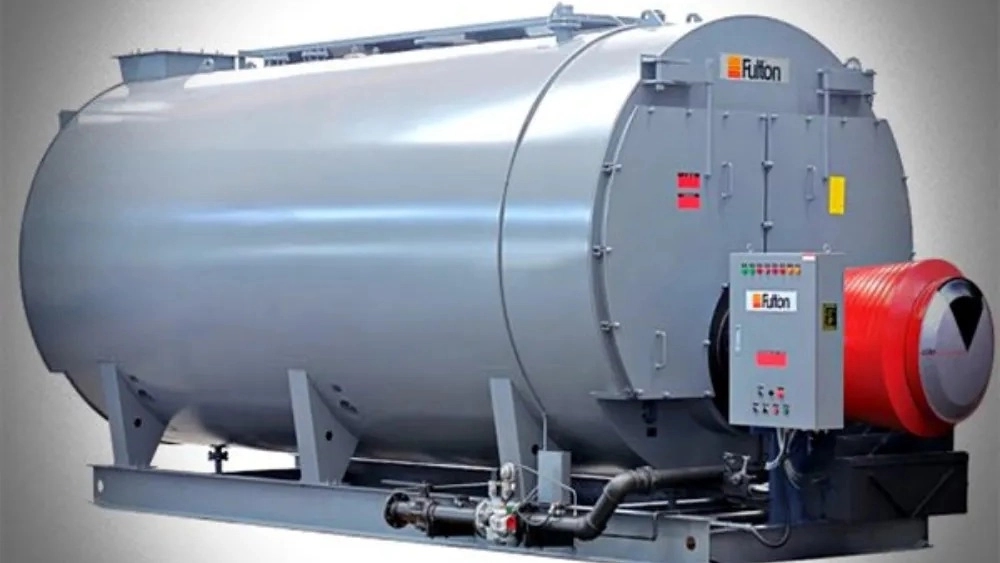
Spa boiler and boiler are both devices used to produce heat, but have different function and applications. The steam and spa boiler are two types of industrial boilers used to transfer heat to liquids and gases. However, the main difference between the two boilers is the type of fluid used in each of them. The steel spa pot is used to heat water and other liquids at temperatures below 2 ° C. In these boilers, water is heated inside steel hubs and transferred to the desired location through the pipes. To increase the efficiency of these boilers, some of them are covered with thermal insulators such as Wolfram glass.
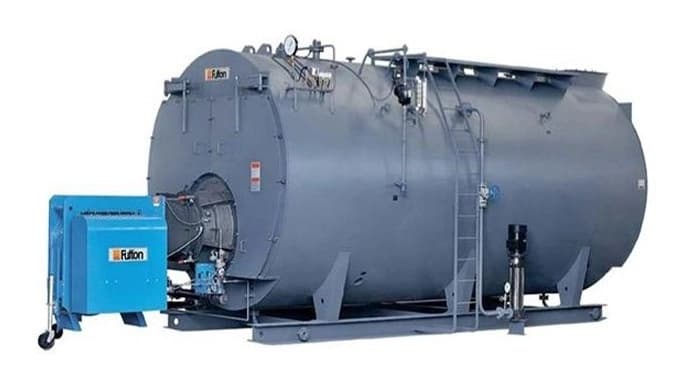
Boiler is also used to produce steam at temperatures above 2 ° C. In these boilers, the water is heated and converted to steam, then the steam produced is transferred to the desired location. These boilers are used in a variety of industries such as electricity, oil and gas production, chemical industries, etc. Therefore, the main difference between boilers and steel spa boilers is at the temperature of the liquid used in each of them.
Spa pot
- Function: The spa boiler warms the water to a certain temperature and transmits the heated water to the building heating system or industrial processes.
- Application: mainly for heating of buildings, manufacturing hot water consumed and some lower temperature industrial processes. Steam).
Boiler
- Function: The boiler warms the water to the boiling temperature or above it to convert it to vapor. High -pressure steam can transmit a lot of thermal energy.
- Application: In various industries such as electricity production, food, textile, paper, petrochemical, etc. are used to supply the required thermal energy in various processes.
- Benefits: Ability to produce high heat, long heat transmission.
How the boiler works
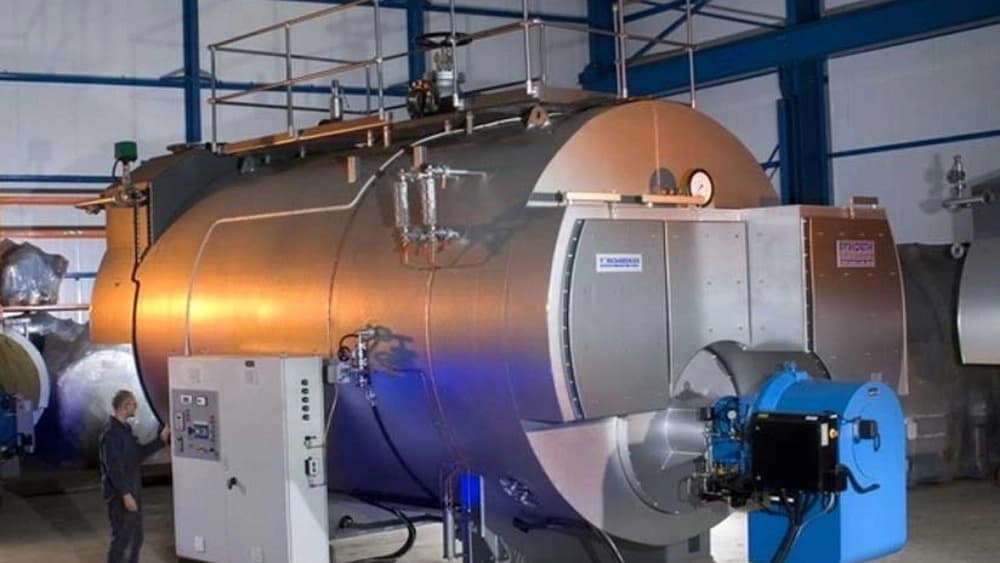
Boiler is actually a reservoir that is full of water. The water inside this tank is heated by the boiler torch, and this water becomes water vapor after heating and reaching the boiling point. This water vapor enters our machines and systems through pipes that are attached to the boiler and heat the environment.
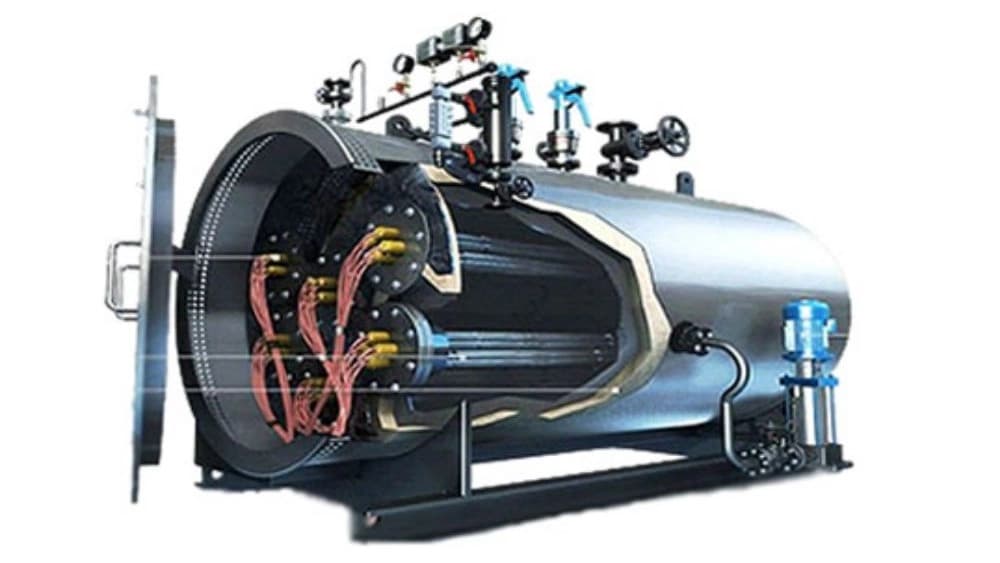
This water vapor in the pipes has high pressure and its heating power is higher than hot water. This water vapor produced in various industries is used. For example, in industries that need to melt or cook materials, such as steel production. The electricity industry also uses the high kinetic force of water vapor to move the turbines.
Parts of boiler
• The shell or body of a boiler steel made from alloy steel. This steel is produced through the rolling process with a proper thickness and by welding these boilers. • Furnace or furnace, which is cylindrical and made of steel that is in parallel into the boiler shell and has the task of creating a flame to heat water. • Smokeing pipes that are made of steel and are in parallel to the furnace inside the shell. The task of this piece is the passage of smoke and fire. • The boiler base and connections that have the task to control and hold the boiler well.
Troubleshooting and repairing the boiler
Boiler, like many industrial equipment, can be destroyed or burnout. Various flaws may occur in the boiler, including the burning of the burner or the sediment and the boiler leakage. Since the boiler is made up of different components, defects in each piece can have a negative effect on the overall function of the device.
Boiler Maintenance Principles
Many factories, especially the chemical industries, require constant steam flow. If the pot is shut down for any reason, it may stop the production process and consequently waste significant amounts of the product. Today's boilers are much more complex and advanced than the previous boilers. Some of these advances are as follows: which is highly flexible to change the ratio of fuel and air; Computer systems that control fuel, pressure and temperature accurately; Applying control without the need for human interference and using a central system and simultaneous control of multiple boilers; And the burners that produce less nitrogen oxides. With the advancement of boilers technology and its accessories, the importance of maintaining their maintenance has increased, and only efficient and skilled people can maintain today's steam boilers. As a result, many companies are trying to abandon the former maintenance methods and rely on the computer and planned maintenance management system by providing necessary training and maintenance personnel, where people must fill pre -prepared tables. For example, the leader must see the thermometers and barometers every day. The steam boiler service can be delegated to one or more specialist companies based on the contract.
Regular boiler inspections
Steam boilers need at least once in inspection and cleaning each year. This inspection is very comprehensive and covers a wide range of tests; From simple topics such as leak testing to more complex studies such as the quality of combustion in the burner. Things to be examined. Such as: the status of the lions in terms of opening and closing how the sensors work; Leakage to or not to have washs; The amount of controllers on the desired quality of the quality of refractory and the replacement of them.